This site may contain links to affiliate websites, and I may earn a commission for any purchases made through those links at no additional cost to you.
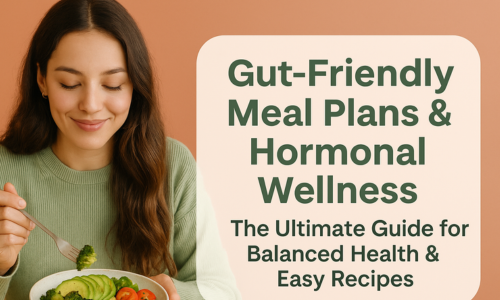
7 Day Gut-Friendly Meal Plans & Hormonal Wellness: The Ultimate Guide for Balanced Health & Easy Recipes
Table of Contents
- Introduction
- What Is a Gut-Friendly Meal Plan?
- Benefits of Gut-Friendly Eating
- Hormonal Wellness: Why It Matters
- Hormonal Wellness Tracking Explained
- Sample Gut-Friendly Meal Plans & Hormone-Balancing Recipes
- Build Your Own Balanced Diet (Step-by-Step)
- Daily Habit Checklist & Tracking Tips
- Stick With the Habits Long-Term
- Frequently Asked Questions (FAQs)
- Conclusion
- Disclaimer
Section 1 – Introduction
- Explain why gut health and hormonal balance are essential for:
- Energy, mood, digestion, weight management, overall well-being
- Introduce text-based trackers and meal templates as simple, actionable tools
- Emphasize no downloads or PDFs are required — everything is immediately usable
Section 2 – What Is a Gut-Friendly Meal Plan?
- Definition: Eating to support good bacteria, reduce irritation, and smooth digestion
- Key Features:
- Fiber-rich foods: oats, quinoa, beans, leafy greens, berries
- Probiotics: yogurt, kefir, fermented vegetables
- Prebiotics: garlic, onions, asparagus, bananas
- Anti-inflammatory ingredients: salmon, turmeric, ginger, olive oil, nuts
- Balanced macronutrients: proteins, healthy fats, complex carbs
- Foods to Limit: Processed foods, refined sugar, excess alcohol, white bread
- Goal: Support gut function for better energy, immunity, mood, and hormones
Mini Sample Day of Gut-Friendly Eating:
- Breakfast: Overnight oats with chia seeds, blueberries, Greek yogurt
- Lunch: Quinoa salad with roasted chickpeas, cucumbers, olive oil, lemon
- Dinner: Grilled salmon with garlic-roasted asparagus, sweet potato mash
- Optional Snack/Drink: Kombucha or green tea with almonds
Section 3 – Benefits of Gut-Friendly Eating
So, why go to the effort of eating this way? The benefits of a gut-friendly meal plan go far beyond just better digestion. In fact, your gut health is connected to nearly every system in your body.
Here are some of the biggest wins you can expect when you start focusing on gut-friendly foods:
🌟 1. Smoother Digestion
Say goodbye to constant bloating, gas, or discomfort. Fiber + probiotics work together to keep things moving regularly and comfortably.
Mini Success Story: Jane noticed that after just one week of adding daily yogurt and leafy greens, her afternoon bloating disappeared and she felt lighter by mid-morning.
🌟 2. Stronger Immunity
Around 70% of your immune system lives in your gut. Balanced gut bacteria help your body fight off colds, infections, and reduce inflammation.
Mini Success Story: Mark started incorporating fermented foods and oats into his breakfast routine and reported fewer sick days over a two-month period.
🌟 3. Better Energy & Mood
Your gut produces key neurotransmitters like serotonin, the “happy hormone.” A healthier gut often leads to more stable moods, better focus, and fewer energy crashes.
Mini Success Story: Sarah replaced sugary snacks with chia pudding and berries, noticing more consistent energy at work and fewer mid-afternoon slumps.
🌟 4. Clearer Skin
Digestive health often shows up on your skin. A happy gut can reduce acne, irritation, and inflammation-related flare-ups.
Mini Success Story: Alex struggled with adult acne. After adding prebiotic-rich foods like garlic, onions, and asparagus to her diet, she saw fewer breakouts within a month.
🌟 5. Weight Support
Gut-friendly eating naturally helps with portion control and cravings. High-fiber, nutrient-rich meals keep you full longer and reduce the urge to snack on processed foods.
🌟 6. Hormonal Harmony
Balanced digestion supports your body’s ability to regulate hormones like insulin and cortisol, making it easier to manage stress, sleep better, and maintain a steady metabolism.
Section 4 – Hormonal Wellness: Why It Matters
Absolutely! Here’s an updated Section 4 – Hormonal Wellness: Why It Matters with mini success stories included for relatability:
Section 4 – Hormonal Wellness: Why It Matters
Hormones might seem mysterious, but think of them as tiny messengers that run the show behind the scenes. They influence your energy, mood, sleep, weight, digestion, and even your skin. When your hormones are balanced, everything feels smoother—you wake up refreshed, your digestion works like clockwork, and your energy stays steady. But when they’re off? You might notice mood swings, stubborn weight gain, fatigue, or brain fog.
The good news is that your lifestyle and nutrition have a huge impact on hormones, and that means you can take real steps every day to bring them back into balance.
✨ Key Hormones That Affect Your Health
- Insulin – Helps regulate blood sugar. Too many processed carbs or sugar can spike it, leading to crashes, cravings, and weight gain.
Mini Success Story: Lisa replaced her sugary mid-morning snacks with nuts and fruit, and after two weeks she noticed fewer energy crashes and reduced afternoon cravings. - Cortisol – Known as the “stress hormone.” Chronic stress (and lack of sleep) can keep it elevated, disrupting digestion, sleep, and weight management.
Mini Success Story: David added a 10-minute meditation routine to his mornings. Within a month, he reported feeling calmer, sleeping better, and experiencing less evening snacking caused by stress. - Estrogen & Progesterone – Important for women’s reproductive health, mood stability, and metabolism. Imbalances can show up as irregular cycles, fatigue, or mood swings.
Mini Success Story: Emily tracked her cycle and noticed that adding omega-3 rich foods and leafy greens helped reduce PMS-related bloating and irritability. - Thyroid Hormones – Control metabolism and energy levels. When out of balance, you may feel sluggish or struggle with weight changes.
Mini Success Story: After including iodine-rich foods like seaweed and selenium-rich foods like Brazil nuts, Anna reported more steady energy and improved focus throughout the day.
🌱 Everyday Factors That Influence Hormones
- Diet – Nutrient-rich, whole foods support steady blood sugar and reduce inflammation.
- Sleep – Your body resets at night; skipping quality sleep can throw everything off.
- Stress – Chronic stress is one of the biggest hormone disruptors.
- Exercise – Movement supports both insulin and cortisol balance while boosting mood.
💡 The Connection to Gut Health
Your gut health and hormones are deeply linked. A healthy gut helps regulate estrogen levels, supports thyroid function, and reduces cortisol spikes caused by inflammation. That’s why combining gut-friendly meal plans with hormone-supporting habits creates such a powerful foundation — you’re supporting both systems at once.
Mini Success Story: Maria added fermented foods and prebiotic veggies to her meals while tracking daily habits. Within a month, she felt more energized, noticed her digestion improved, and her mood swings became less intense.
Section 5 – Hormonal Wellness Tracking Explained
Perfect! Here’s Section 5 – Hormonal Wellness Tracking Explained updated with mini examples and relatable notes to keep the blog’s style consistent and practical:
Section 5 – Hormonal Wellness Tracking Explained
Managing your hormones can feel tricky, but using simple, text-based trackers makes it much easier to understand your body and stay consistent with healthy habits. Even though we’re not using PDFs, you can create structured layouts directly in a notebook, journal, or blog post.
Tracking helps you notice patterns, adjust meals and routines, and celebrate small wins along the way.
Why Use Hormonal Wellness Trackers?
- Track Symptoms: Note energy levels, mood changes, cravings, or digestion patterns.
Example: “Felt sluggish at 3 PM after oatmeal breakfast vs. energized after Greek yogurt parfait.” - Identify Patterns: See how diet, sleep, and exercise affect hormones over days or weeks.
Example: “Noticed bloating decreases when I include more prebiotic veggies at lunch.” - Plan Meals: Make sure hormone-supporting foods are included regularly.
Example: “Added broccoli, kale, and salmon 3x/week for thyroid & estrogen support.” - Stay Motivated: Checking off daily habits gives a sense of accomplishment.
Example: “✅ Water, ✅ Morning walk, ✅ Mindfulness — small wins add up!”
Types of Hormonal Wellness Trackers (Text-Friendly)
- Daily Symptom Tracker
- Columns: Date | Sleep (1–5) | Energy (1–5) | Mood | Cravings | Digestive Comfort (1–5)
- Mini Example:
- Date: Sept 24
- Sleep: 7/10
- Energy: 6/10
- Mood: 😐 Neutral
- Cravings: 🍫 Chocolate at 3 PM
- Digestion: 8/10
Note: You can see which foods boost energy or worsen cravings over time.
- Weekly Meal Planner for Hormone Balance
- List meals under Breakfast / Lunch / Dinner / Snacks
- Include hormone-supporting ingredients: cruciferous veggies, healthy fats, fiber-rich grains
- Mini Example:
- Breakfast: Spinach smoothie with chia seeds
- Lunch: Quinoa salad with roasted chickpeas and olive oil
- Dinner: Baked salmon with asparagus
- Snack: Kefir with berries
- Self-Care Checklist
- Daily items to support hormones: hydration, movement, mindfulness, sleep, gut-friendly foods
- Mini Example: “Today: ✅ 8 cups water, ✅ 20-min walk, ❌ skipped meditation, ✅ gut-friendly meals.”
- Cycle Tracker (Optional for Women)
- Track energy, mood, and food tolerance throughout menstrual cycle
- Mini Example: “Week 2 (Follicular Phase): Energy high, mood stable, tolerated oats well.”
How to Use Trackers in Text Form
- Notebook or Journal: Dedicate one page per day or week.
- Bullet Points: Use checkboxes, emojis, or shorthand to mark completion.
- Color-Coding: Optional — highlight high-energy vs. low-energy days.
- Reflection: End the week with a note: what worked, what to adjust next week.
Mini Example: “Berries + Greek yogurt breakfast = steady energy; skipped greens = afternoon slump.”
Quick Example – Daily Hormonal Wellness Tracker (Text Version)
- Date: September 23
- Sleep: 8/10 ✅
- Energy: 6/10
- Mood: 😊 Happy
- Cravings: 🍫 Chocolate at 3 PM
- Digestion: 8/10
- Meals: Spinach salad, salmon, oats with berries
- Exercise: 20-min walk ✅
- Self-Care: Meditation 5 min ✅
- Notes: Felt more focused after lunch; skip chocolate next time to test energy effect.
Mini Success Story: After two weeks of tracking, Jenna noticed she felt more energetic and less bloated when eating fermented foods in the morning and adding cruciferous veggies at lunch. The visual record helped her make small but consistent changes that improved her overall hormonal balance.
Section 6 – Sample Gut-Friendly Meal Plans & Hormone-Balancing Recipes
Eating for your gut and hormones doesn’t have to be complicated. Below are easy, practical meal ideas you can follow, plus mini prep tips and real-life examples to keep it relatable. These examples work for busy mornings, lunch at work, and quick dinners.
Breakfast Ideas
- Greek Yogurt Parfait with Berries & Chia Seeds
- Prep Tip: Portion berries and yogurt in small jars ahead of time for 3–4 days.
- Hormone Benefit: Protein and probiotics support gut health; fiber and antioxidants balance blood sugar.
- Mini Success Story: Sarah swapped her usual sugary cereal for this parfait and noticed more stable energy until lunchtime.
- Spinach & Mushroom Omelet with Whole-Grain Toast
- Prep Tip: Chop veggies the night before for a 5-minute breakfast.
- Hormone Benefit: Protein + healthy fats help maintain cortisol levels in the morning.
- Mini Success Story: Mike found he no longer craved coffee mid-morning when starting the day with this omelet.
- Overnight Oats with Flaxseed & Almond Butter
- Prep Tip: Make 3 servings on Sunday for an easy weekday grab-and-go breakfast.
- Hormone Benefit: Fiber supports gut motility; healthy fats support estrogen metabolism.
- Mini Success Story: Emma reported fewer bloating issues after switching to this fiber-rich breakfast.
Lunch Ideas
- Quinoa Salad with Roasted Chickpeas & Mixed Greens
- Prep Tip: Roast chickpeas in bulk on Sunday for quick lunches all week.
- Hormone Benefit: Protein and fiber help regulate insulin and support gut bacteria.
- Mini Success Story: Leo noticed he had fewer afternoon crashes when eating this balanced salad.
- Salmon & Steamed Broccoli with Brown Rice
- Prep Tip: Use a rice cooker or batch cook grains for easy meal prep.
- Hormone Benefit: Omega-3s from salmon support thyroid and hormone regulation; broccoli supports estrogen balance.
- Mini Success Story: Nina felt more satisfied after lunch and snacked less in the afternoon.
- Lentil Soup with Kale & Turmeric
- Prep Tip: Make a large batch to freeze for 2–3 lunches later.
- Hormone Benefit: Lentils provide plant protein and fiber, supporting steady blood sugar.
- Mini Success Story: Tom’s digestion improved after adding this soup twice a week.
Dinner Ideas
- Baked Chicken with Sweet Potato & Roasted Brussels Sprouts
- Prep Tip: Roast vegetables and chicken together on one sheet pan to save time.
- Hormone Benefit: Protein + fiber help stabilize blood sugar at night.
- Mini Success Story: Laura felt less evening hunger and slept better when eating this dinner regularly.
- Stir-Fried Tofu with Veggies & Cauliflower Rice
- Prep Tip: Chop all veggies ahead; stir-fry for 10 minutes after work.
- Hormone Benefit: Isoflavones in tofu support estrogen balance; fiber aids gut bacteria.
- Mini Success Story: Jason noticed reduced bloating and improved gut comfort after 1 week.
- Shrimp & Veggie Skillet with Garlic & Olive Oil
- Prep Tip: Keep pre-cooked shrimp in the fridge for a fast 10-minute meal.
- Hormone Benefit: Lean protein and healthy fats support cortisol and metabolic balance.
- Mini Success Story: Maya loved how quickly she could make this dinner and still feel full without snacking late at night.
Snack Ideas
- Kefir or plain yogurt with nuts
- Carrot sticks & hummus
- Apple slices with almond butter
- Mini Success Story: Adding gut-friendly snacks kept Alex from reaching for candy mid-afternoon.
✅ Key Takeaways:
- Prep ahead where possible — even 10–15 minutes can save stress during the week.
- Include protein, fiber, and healthy fats at every meal to support hormones and gut health.
- Track your energy and digestion to see which meals make you feel your best.
- Small, consistent changes lead to noticeable improvements in energy, digestion, and overall wellness.
Section 7 – Build Your Own Balanced Diet (Step-by-Step)
- Choose Base Foods: Grains, lean proteins, healthy fats
- Add Gut-Friendly Ingredients: Probiotics, prebiotics
- Include Hormone-Supporting Foods: Cruciferous veggies, omega-3s, seeds
- Plan Weekly Meals: Use templates or customize
- Track Progress: Energy, digestion, mood, cravings
- Keep Flexible: Swap meals, use seasonal produce, batch prep
Weekly DIY Meal Template:
- Day 1–7: Balanced meals with breakfast, lunch, snack, dinner
- Prep tips and checklist for gut-friendly & hormone-supporting components
Section 8 – Daily Habit Checklist & Tracking Tips
Tracker Sections: Sleep, Energy, Mood, Cravings, Digestion, Meals, Water, Exercise, Self-Care, Notes
- Keep it simple: checkboxes or short notes
- Review weekly: identify patterns and adjust
- Optional: color-coding for visualization
Section 9 – Stick With the Habits Long-Term
- Start small: 1–2 habits per week
- Use the Daily Habit Tracker consistently
- Batch prep meals
- Make it enjoyable and varied
- Track progress, not perfection
- Involve support: friends, family, online communities
Section 10 – Frequently Asked Questions (FAQs)
- How long to see results? Energy & digestion: 1–3 weeks; Hormone balance: months
- Allergies or restrictions? Swap ingredients as needed
- For men, vegetarians, or vegans? Fully adaptable
- Combine with exercise? Yes, moderate activity enhances results
- Missed meals or days? Resume tracking; consistency over perfection
- Personalizing the plan? Adjust portions, ingredients, and timing
Conclusion
- Small, consistent changes lead to lasting gut & hormone health
- Track meals & habits, adjust gradually
- Flexibility is key: customize meals, portions, routines
- Motivational close: “Take one step today — track, adjust, and celebrate each small victory. Your body and mind will thank you!”
Disclaimer
- Educational purposes only
- Not a substitute for professional medical advice, diagnosis, or treatment
- Consult a healthcare provider before changing diet, exercise, or supplements