This site may contain links to affiliate websites, and I may earn a commission for any purchases made through those links at no additional cost to you.

10 Leadership Skills That Set High Performers Apart: The Ultimate Career Growth Guide

Introduction
Leadership isn’t about titles or managing people. It’s about how you show up, influence others, and create results. Whether you’re aiming for a promotion, leading projects, or navigating a career change, mastering leadership skills sets you apart.
In this guide, we’ll explore 10 essential leadership skills high performers use to accelerate their careers, maintain work-life balance, and positively influence their teams.
1. Taking Responsibility and Ownership

High-performing professionals take accountability for their actions and results. They don’t wait to be told what to do—they take initiative.
How to practice this:
- Volunteer for challenging assignments
- Admit mistakes openly and suggest solutions
- Track your own progress and outcomes
Impact: Reliability and initiative get noticed, increasing your chances for promotion.
2. Effective Decision-Making

Strong leaders make informed decisions efficiently. Waiting too long can stall progress.
How to practice this:
- Gather relevant information quickly
- Evaluate risks and rewards
- Make a decision, act, and adjust if necessary
Impact: Confidence in decision-making builds trust and demonstrates readiness for leadership roles.
3. Communication and Influence

Leadership is about clear, persuasive communication, not volume. Influencing without authority is key.
How to practice this:
- Listen actively and summarize points
- Tailor messages to your audience
- Present ideas confidently with supporting facts
Impact: Effective communicators are respected and followed, even without a formal title.
4. Emotional Intelligence

Understanding your own emotions and those of others is critical. Emotional intelligence improves collaboration and conflict resolution.
How to practice this:
- Recognize triggers and manage responses
- Empathize with colleagues
- Provide constructive feedback
Impact: Teams perform better under emotionally intelligent leaders.
5. Adaptability and Problem-Solving

The ability to adapt to change and solve problems sets leaders apart.
How to practice this:
- Embrace new technology and processes
- Brainstorm multiple solutions before acting
- Stay calm under pressure
Impact: Adaptable employees thrive in dynamic industries or remote work environments.
6. Strategic Thinking

Leaders plan beyond daily tasks, considering long-term goals.
How to practice this:
- Analyze trends and potential challenges
- Align work with organizational goals
- Identify growth opportunities
Impact: Strategic thinkers are first considered for promotions.
7. Mentoring and Helping Others Succeed

Great leaders lift others while growing themselves. Mentoring builds influence and networks.
How to practice this:
- Share knowledge openly
- Encourage team members
- Celebrate others’ achievements
Impact: People remember those who helped them grow, building loyalty.
8. Staying Calm Under Pressure

Maintaining composure during high-pressure situations inspires confidence.
How to practice this:
- Pause before reacting
- Focus on solutions
- Maintain a professional demeanor
Impact: Calm leaders earn trust and stability in teams.
9. Continuous Learning

Leaders never stop improving. Lifelong learning keeps you competitive.
How to practice this:
- Attend webinars and online courses
- Read industry-related books and articles
- Learn from colleagues and mentors
Impact: Continuous learners innovate and are considered for advancement.
10. Faith, Values, and Mindset

Your mindset and values shape your leadership style. Staying grounded and ethical sets you apart.
How to practice this:
- Define your core values
- Maintain a growth mindset
- Treat setbacks as opportunities
Impact: Values-driven leaders inspire trust and create lasting influence.
Conclusion
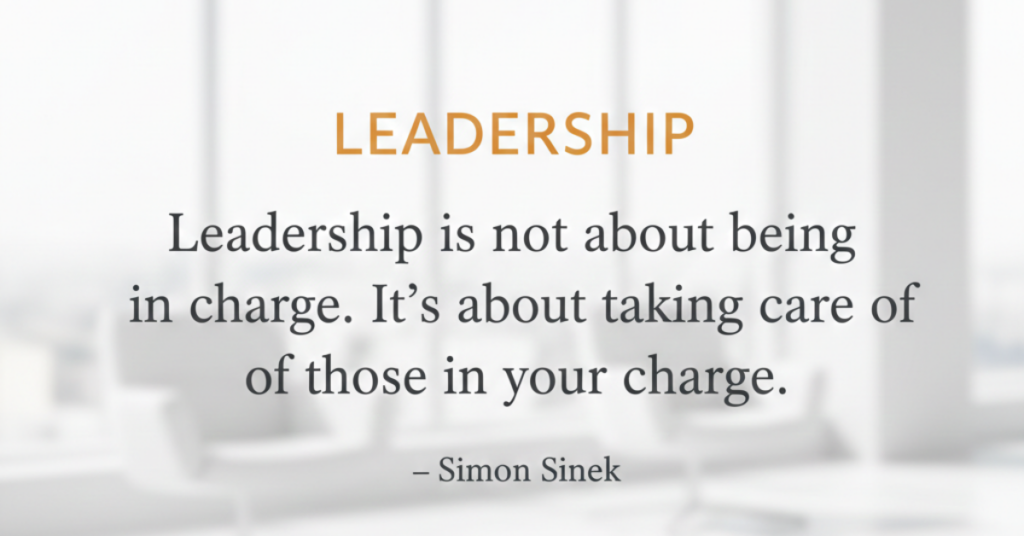
Mastering these 10 leadership skills positions you as a high-performing professional. Remember: leadership is not about a title—it’s about how you show up, influence others, and create value.