This site may contain links to affiliate websites, and I may earn a commission for any purchases made through those links at no additional cost to you.
How to Plan Your Dream Wedding Bouquet
How to Plan Your Dream Wedding Bouquet
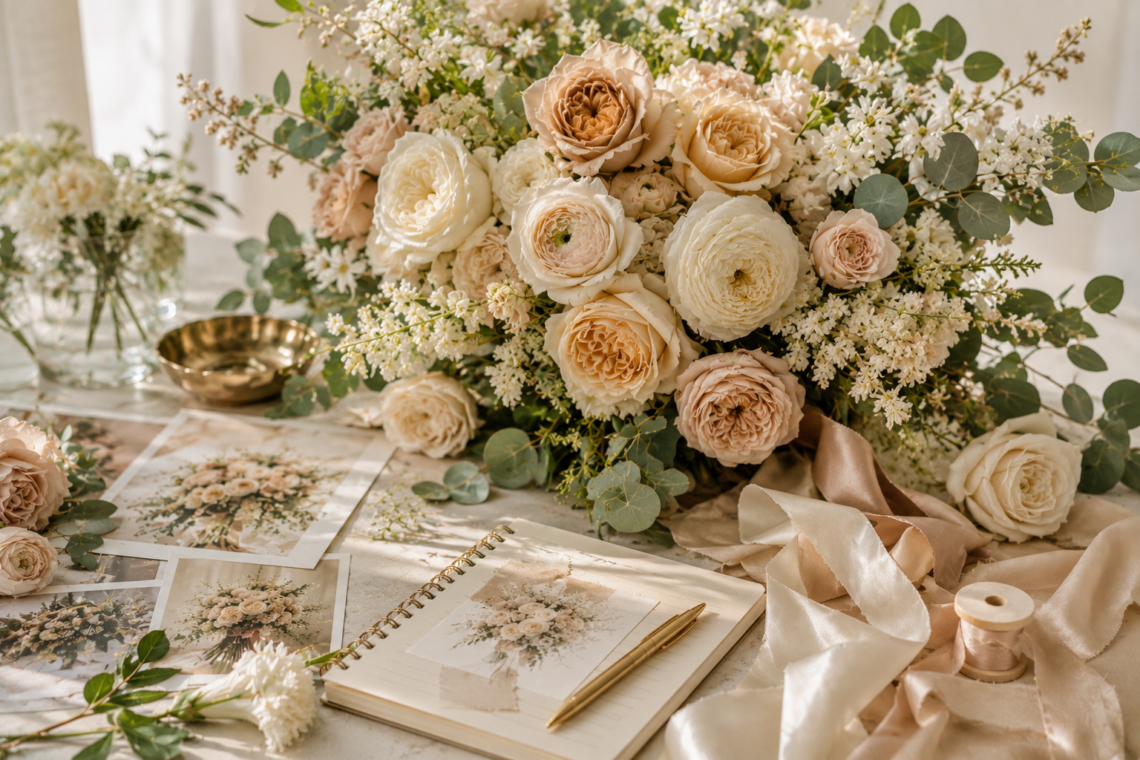
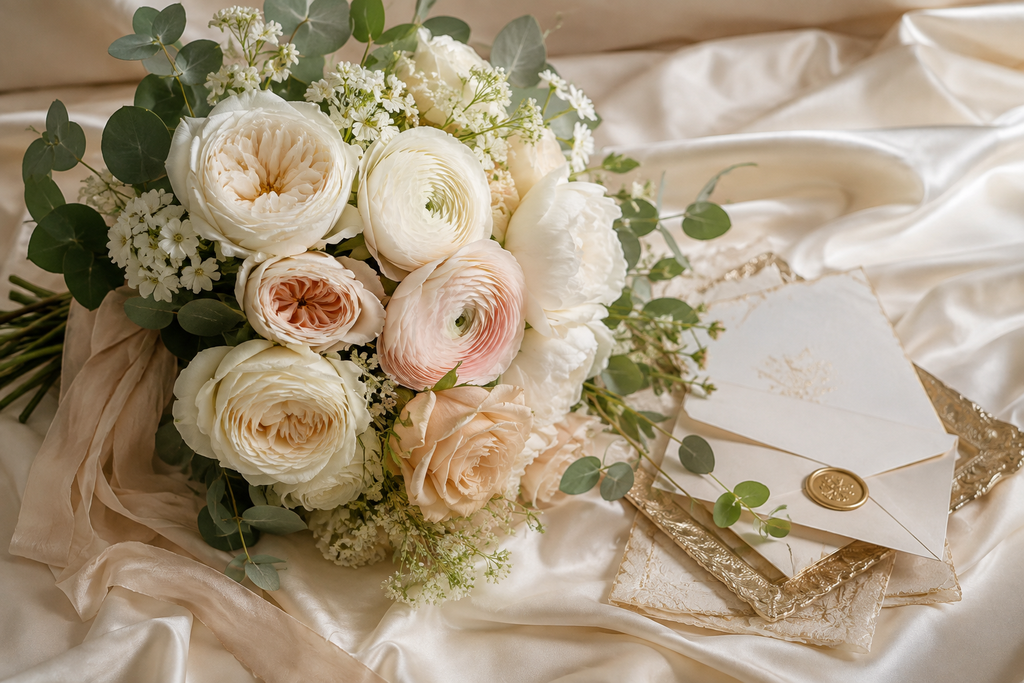
Your wedding bouquet is more than a beautiful arrangement of flowers—it is one of the most photographed details of your wedding day. From the flower varieties and colors to the bouquet shape and ribbon, every detail can help express your personal style and complement your wedding dress, venue, and overall wedding theme.
If you’re wondering how to plan your dream wedding bouquet, this guide will walk you through the essential decisions, from choosing your bouquet style and color palette to selecting flowers that fit your season and wedding budget.
Whether you’re planning an elegant garden wedding, a romantic ballroom celebration, or an intimate modern ceremony, these wedding bouquet ideas can help you create a floral arrangement that feels beautifully yours.
Why Your Wedding Bouquet Matters
Your bridal bouquet becomes part of many of your most memorable wedding photographs. It appears as you walk down the aisle, during portraits, in close-up photographs of your wedding rings, and in countless candid moments throughout the celebration.
A thoughtfully planned bouquet can also bring together several elements of your wedding design.
Your bouquet can coordinate with:
- Your wedding dress
- Bridesmaid dresses
- Ceremony flowers
- Reception flowers
- Wedding color palette
- Wedding invitations and stationery
- Wedding venue
- Wedding season
- Overall wedding style
The goal isn’t simply to choose pretty flowers. It’s to create a bouquet that feels cohesive with the entire wedding.
1. Start With Your Wedding Style
Before choosing specific flowers, determine the overall style of your wedding.
Your wedding style can help narrow down the bouquet shapes, flowers, colors, and greenery that will work best.
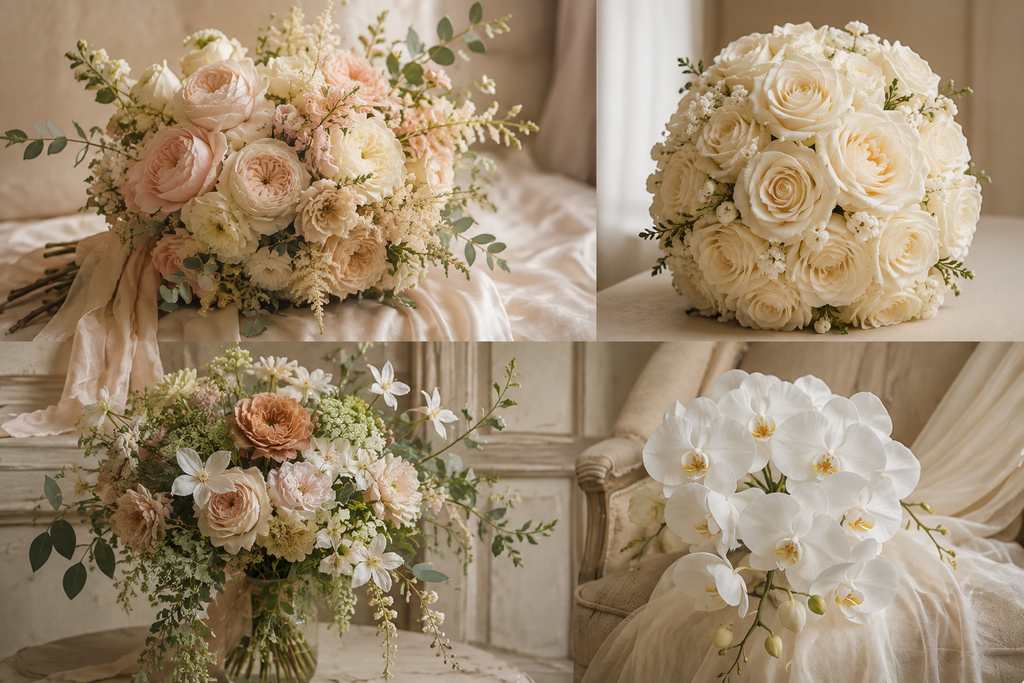
Romantic Wedding
For a romantic wedding, consider soft flowers such as roses, garden roses, peonies, ranunculus, and delicate greenery.
A palette of ivory, blush, champagne, dusty rose, and soft peach can create an elegant romantic look.
Classic Elegant Wedding
Classic weddings often look beautiful with structured bouquets featuring roses, hydrangeas, orchids, or other refined blooms.
Consider timeless colors such as:
- Ivory
- White
- Champagne
- Soft blush
- Greenery
Garden Wedding
A garden-inspired bouquet can have a naturally gathered appearance.
Consider seasonal flowers mixed with delicate greenery, trailing elements, and varied flower sizes for a relaxed but sophisticated look.
Modern Wedding
For a modern wedding, consider a simpler color palette and a more intentional arrangement.
White orchids, calla lilies, anthuriums, roses, or sculptural greenery can create a contemporary appearance.
Luxury Wedding
A luxury wedding bouquet often focuses on sophisticated flowers, elegant proportions, texture, and a refined color palette.
Garden roses, orchids, peonies, ranunculus, and premium seasonal flowers can create an elevated look without requiring an overly complicated arrangement.
2. Choose Your Wedding Bouquet Color Palette
Your bouquet colors should complement your wedding rather than compete with it.
Start by identifying two or three primary wedding colors. Then select flowers that work naturally within that palette.
For an elegant neutral wedding, consider:
Ivory + Champagne + Soft Green
For a romantic wedding:
Blush + Ivory + Dusty Rose
For a warm wedding palette:
Cream + Peach + Terracotta
For a timeless celebration:
White + Greenery + Champagne
You can also use your bouquet to introduce a subtle accent color.
For example, an ivory and champagne bouquet could include a small amount of dusty blush to coordinate with your bridesmaids’ dresses.
A Simple Rule for Choosing Bouquet Colors
Think about your bouquet as part of the overall wedding color story.
Your flowers don’t have to match everything exactly.
Instead, look for colors that coordinate, complement, and create visual balance.
3. Consider Your Wedding Dress
Your wedding dress should play an important role in determining your bouquet style.
A large, loose bouquet may beautifully complement a simple gown, while a more structured bouquet may work well with a sophisticated, formal dress.
Consider your dress neckline, silhouette, fabric, embellishments, and overall style.
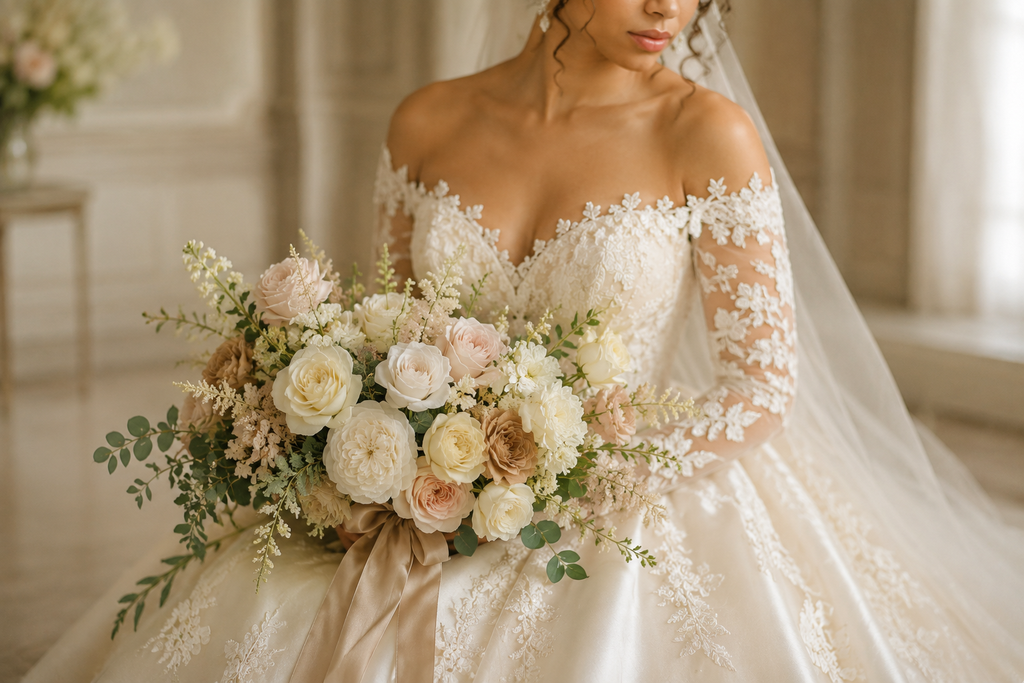
Ballgown
A fuller bouquet can balance the volume of a ballgown.
A-Line Dress
A medium-sized rounded, garden-style, or cascading bouquet can work beautifully with an A-line silhouette.
Mermaid or Fitted Dress
A cascading or elongated bouquet can complement the streamlined shape of a fitted gown.
Simple Minimalist Dress
A sculptural bouquet or carefully selected statement flowers can add visual interest without overwhelming the dress.
The key is proportion. Your bouquet should enhance your dress rather than hide it.
4. Select the Right Bouquet Shape
Wedding bouquets come in many shapes and styles.
The shape you choose can dramatically affect the overall appearance of your bridal look.
Round Bouquet
A round bouquet has a classic, polished appearance and works beautifully for traditional weddings.
Garden-Style Bouquet
A garden-style bouquet has a softer, more organic appearance with varied flower heights and textures.
Cascading Bouquet
A cascading bouquet features flowers and greenery that flow downward, creating an elegant, dramatic silhouette.
Posy Bouquet
A smaller, compact bouquet can be a wonderful option for brides who prefer a simple and refined arrangement.
Asymmetrical Bouquet
An asymmetrical bouquet has an artistic, contemporary appearance and can work particularly well for modern or editorial-inspired weddings.
When choosing a shape, think about your dress, your height, your wedding style, and how comfortable you want the bouquet to be while carrying it.
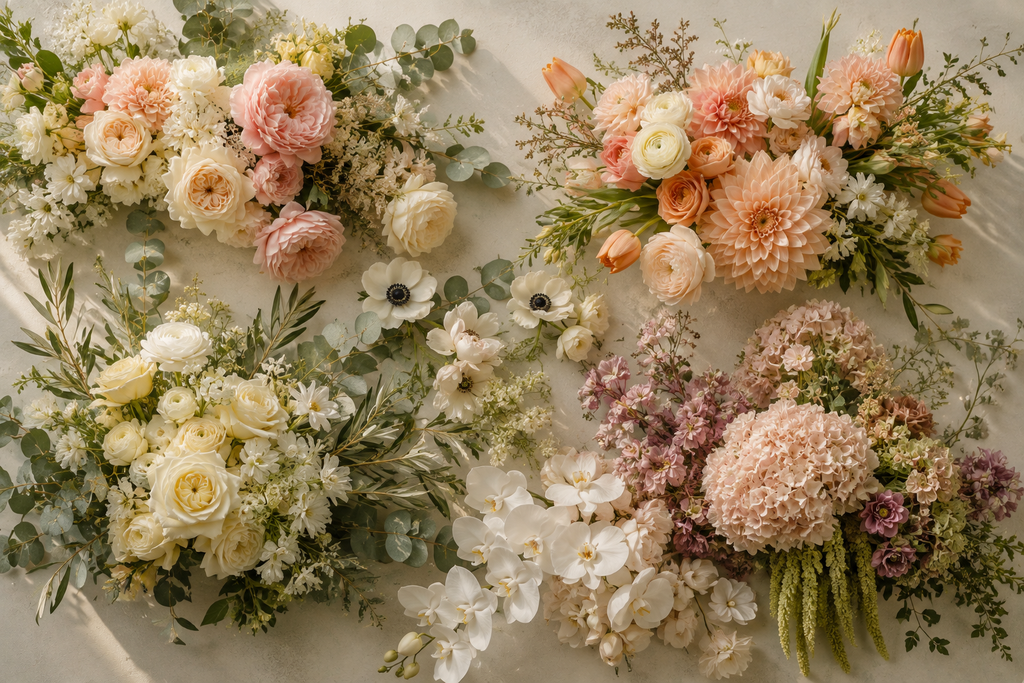
5. Choose Flowers That Fit Your Wedding Season
One of the most important wedding flower planning tips is to consider seasonal availability.
Flowers that are naturally available during your wedding season may be easier to source and can sometimes be more budget-friendly.
Spring Wedding Flowers
Depending on availability, spring bouquets may include:
- Peonies
- Ranunculus
- Tulips
- Sweet peas
- Garden roses
Summer Wedding Flowers
Summer weddings offer many possibilities, including:
- Roses
- Dahlias
- Hydrangeas
- Zinnias
- Lisianthus
Fall Wedding Flowers
For an autumn wedding, consider:
- Dahlias
- Roses
- Chrysanthemums
- Amaranthus
- Seasonal foliage
Winter Wedding Flowers
Winter bouquets can feature:
- Roses
- Anemones
- Orchids
- Ranunculus
- Evergreen foliage
- Seasonal branches
Your florist can help you determine which flowers will be available and appropriate for your specific wedding date.
6. Think About Bouquet Size
Bigger isn’t always better.
Your bouquet should feel comfortable to hold and should complement your proportions and wedding dress.
When deciding on bouquet size, consider:
- Your height
- Your dress silhouette
- Your body proportions
- Your bouquet shape
- The size of your wedding party
- How long you’ll be carrying it
A very large bouquet can become heavy, while a bouquet that is too small may disappear visually in photographs.
Your florist can help determine an appropriate size based on your overall bridal look.
7. Add Texture With Greenery
Greenery can completely change the appearance of a wedding bouquet.
Instead of using flowers alone, consider adding different types of foliage and textural elements.
Depending on your wedding style, greenery might include eucalyptus, Italian ruscus, olive branches, ferns, or other seasonal foliage.
For a luxury look, keep the greenery intentional and balanced rather than allowing it to overwhelm the flowers.
8. Don’t Forget the Bouquet Ribbon
The finishing details matter.
A beautiful ribbon can add another layer of elegance to your bouquet.
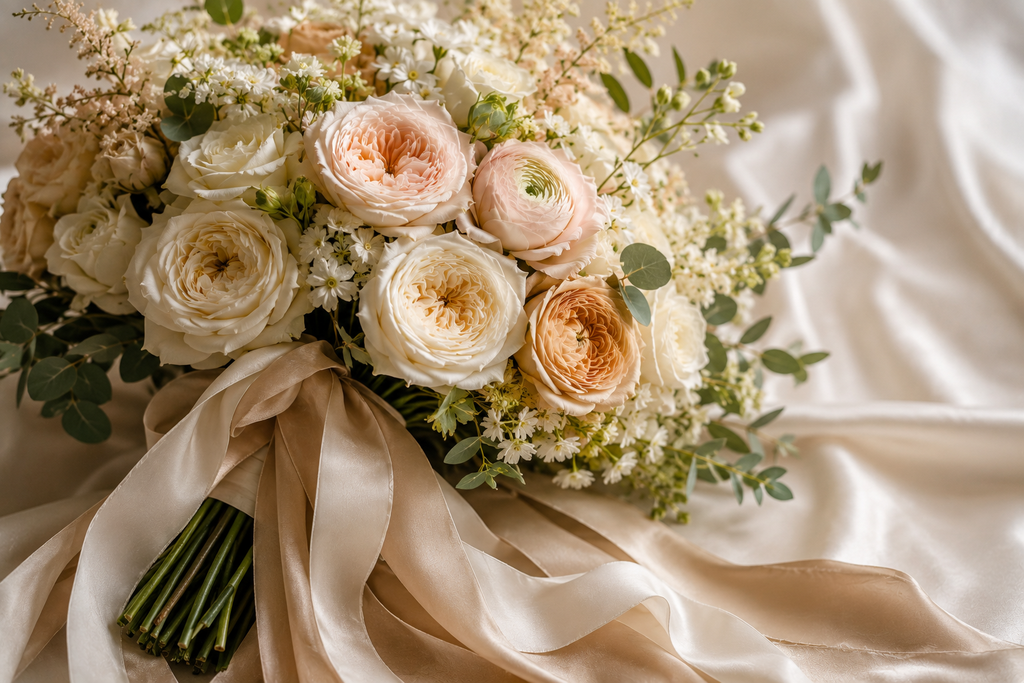
Consider:
- Silk ribbon
- Satin ribbon
- Velvet ribbon
- Chiffon ribbon
- Raw-edge silk ribbon
Your ribbon color can coordinate with your wedding palette or provide a subtle contrast.
For a quiet luxury aesthetic, champagne, ivory, taupe, soft blush, or warm neutral ribbon can create an elegant finishing touch.
9. Create a Realistic Wedding Flower Budget
Before becoming attached to a particular bouquet design, determine how much of your wedding flower budget you want to allocate to personal flowers.
Your floral budget may include:
- Bridal bouquet
- Bridesmaid bouquets
- Boutonnieres
- Corsages
- Ceremony flowers
- Reception flowers
- Cake flowers
- Additional floral décor
Your florist can help you prioritize the flowers that matter most to you.
If your budget is limited, consider choosing a few premium flowers as focal points and surrounding them with more budget-friendly seasonal blooms and greenery.
10. Create a Wedding Bouquet Inspiration Board
Before meeting with your florist, gather inspiration.
Save photographs of:
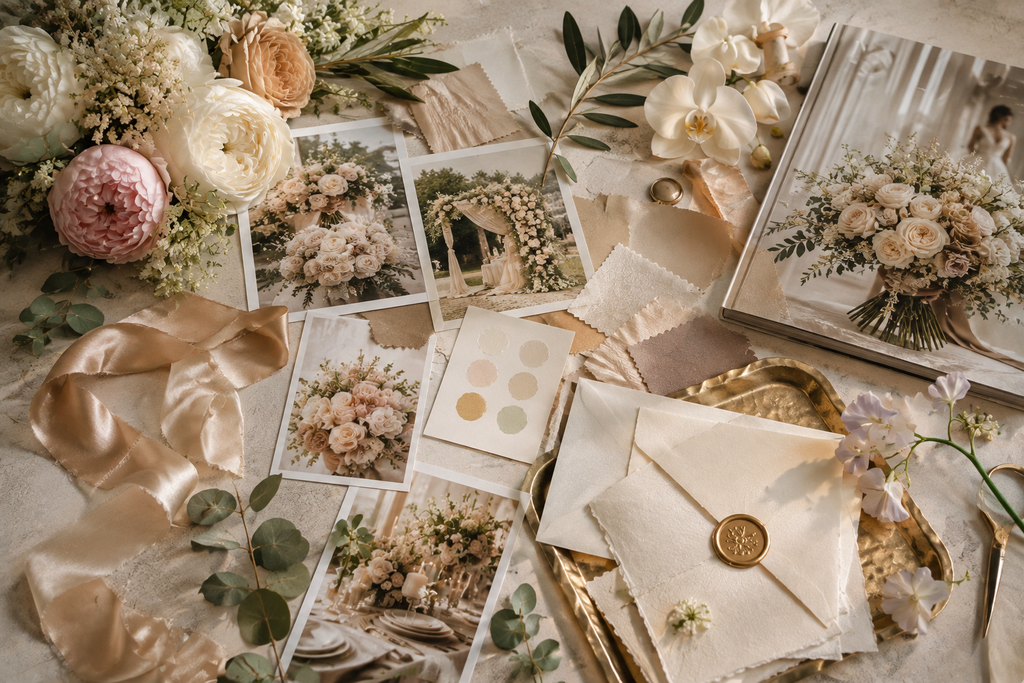
- Bouquet shapes
- Flower varieties
- Wedding dresses
- Color palettes
- Ribbon styles
- Greenery
- Ceremony arrangements
- Reception flowers
Pinterest can be especially helpful for organizing wedding flower inspiration, saving bouquet ideas, and creating a visual wedding flower mood board.
However, don’t simply show your florist one photograph and expect an exact copy. Flower availability, season, color variations, and budget can all affect the final arrangement.
Instead, use your inspiration images to communicate the overall feeling and style you want.
11. Make a Wedding Bouquet Wish List
Once you have gathered inspiration, create a simple wish list.
Write down:
My Wedding Bouquet Style:
My Favorite Flowers:
Colors I Love:
Colors I Don’t Want:
Preferred Bouquet Shape:
Greenery I Like:
Ribbon Style:
Wedding Date:
Estimated Bouquet Budget:
This information gives your florist a helpful starting point.
12. Talk With Your Florist
Your florist can turn your ideas into a realistic floral design.
When discussing your bouquet, bring your inspiration images and be prepared to talk about your wedding date, venue, dress, color palette, flower preferences, and budget.
Ask your florist:
- Which flowers will be in season?
- Which flowers fit my budget?
- Which flowers are available in my preferred colors?
- What bouquet shape works best with my dress?
- How large should my bouquet be?
- Which flowers are especially durable?
- How should the bouquet be transported and stored?
- What flowers can be substituted if necessary?
A good floral plan gives you flexibility while keeping your overall vision intact.
Your Dream Wedding Bouquet Checklist
Before finalizing your bouquet, make sure you’ve considered:
- Wedding style
- Wedding color palette
- Wedding dress
- Bouquet shape
- Flower varieties
- Seasonal availability
- Bouquet size
- Greenery
- Ribbon
- Floral budget
- Florist consultation
- Inspiration images
Plan Your Wedding Flowers With Confidence
Planning your dream wedding bouquet doesn’t have to feel overwhelming.
Start with your wedding style, choose a cohesive color palette, consider your dress and wedding season, and then work with your florist to create a bouquet that fits your vision and budget.
Most importantly, remember that your bouquet should feel like you.
Whether you envision a romantic garden-style arrangement filled with soft blooms, a classic ivory bouquet, or an elegant modern design, thoughtful planning can help you create flowers that you’ll love seeing in your wedding photographs for years to come.
💐 Ready to Organize Your Wedding Flower Vision?
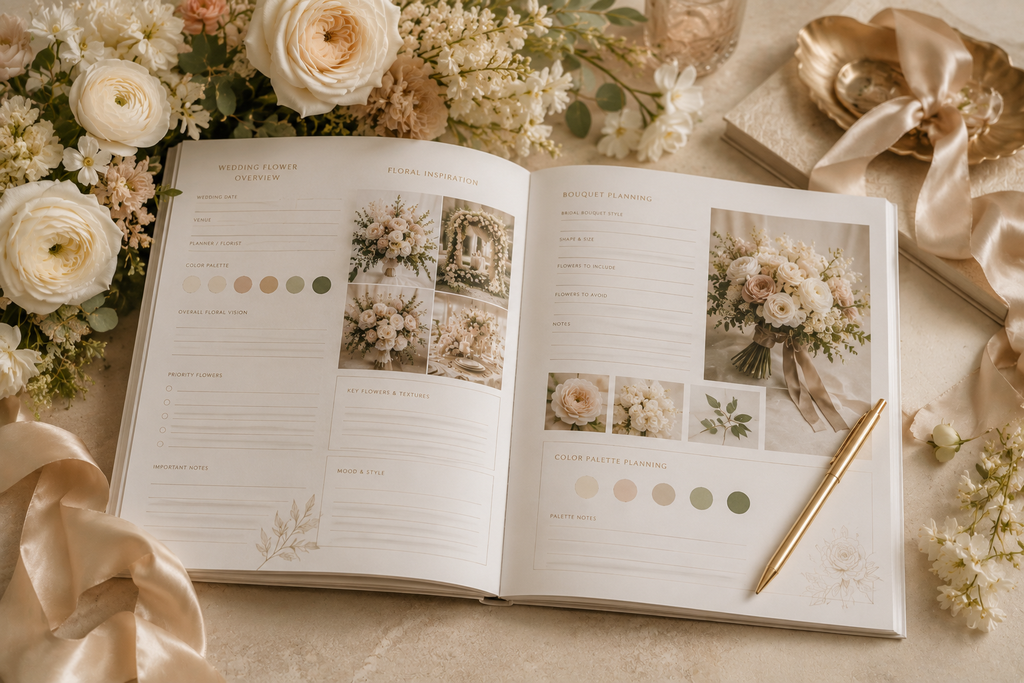
If you’re planning your wedding flowers and want one beautiful place to organize your ideas, the Luxury Wedding Flower Planning Workbook can help you bring your floral vision together.
Use it to organize your flower inspiration, color palette, bouquet ideas, floral details, and wedding flower planning notes before meeting with your florist.
→ Get the Luxury Wedding Flower Planning Workbook
A little planning now can make your wedding flower decisions feel much easier—and help you walk down the aisle carrying a bouquet that feels beautifully and uniquely yours.
Frequently Asked Questions About Wedding Bouquets
How far in advance should I plan my wedding bouquet?
It’s a good idea to begin researching your wedding flowers several months before your wedding. Give yourself enough time to choose your florist, develop your floral vision, discuss seasonal availability, and establish your budget.
How do I choose flowers for my wedding bouquet?
Start with your wedding style, color palette, wedding season, dress, and budget. Then choose flowers that complement those elements and discuss availability with your florist.
What is the most popular wedding bouquet style?
Round and garden-style bouquets are popular choices, but the best bouquet style depends on your dress, wedding aesthetic, personal preference, and overall floral design.
Should my bouquet match my wedding colors?
Your bouquet should coordinate with your wedding color palette, but it does not need to match every color exactly. Complementary shades can create a more sophisticated and natural look.
How much should I budget for a wedding bouquet?
Wedding bouquet prices vary considerably depending on flower varieties, size, season, location, design complexity, and florist. Establish your overall floral budget first and discuss your priorities with your florist.
Absolutely. Here’s a polished SEO-friendly final thought you can place directly below that section. It naturally reinforces keywords like wedding bouquet budget, wedding flowers, bridal bouquet, and wedding flower planning without sounding stuffed.
Final Thought
Planning a wedding bouquet is about finding the right balance between your wedding flower budget, personal style, and floral vision. Whether you prefer a simple seasonal bouquet or a luxurious arrangement filled with premium blooms, knowing your priorities can help you make confident decisions. By planning your bridal bouquet and overall wedding flowers early, you can create a beautiful floral design that complements your wedding while staying within your budget.


You May Also Like

Green Economies and Sustainability: How Global Markets Are Evolving Toward Eco-Friendly Business Models
Top 5 Botanicals Skincare Products You Need in 2026