This site may contain links to affiliate websites, and I may earn a commission for any purchases made through those links at no additional cost to you.
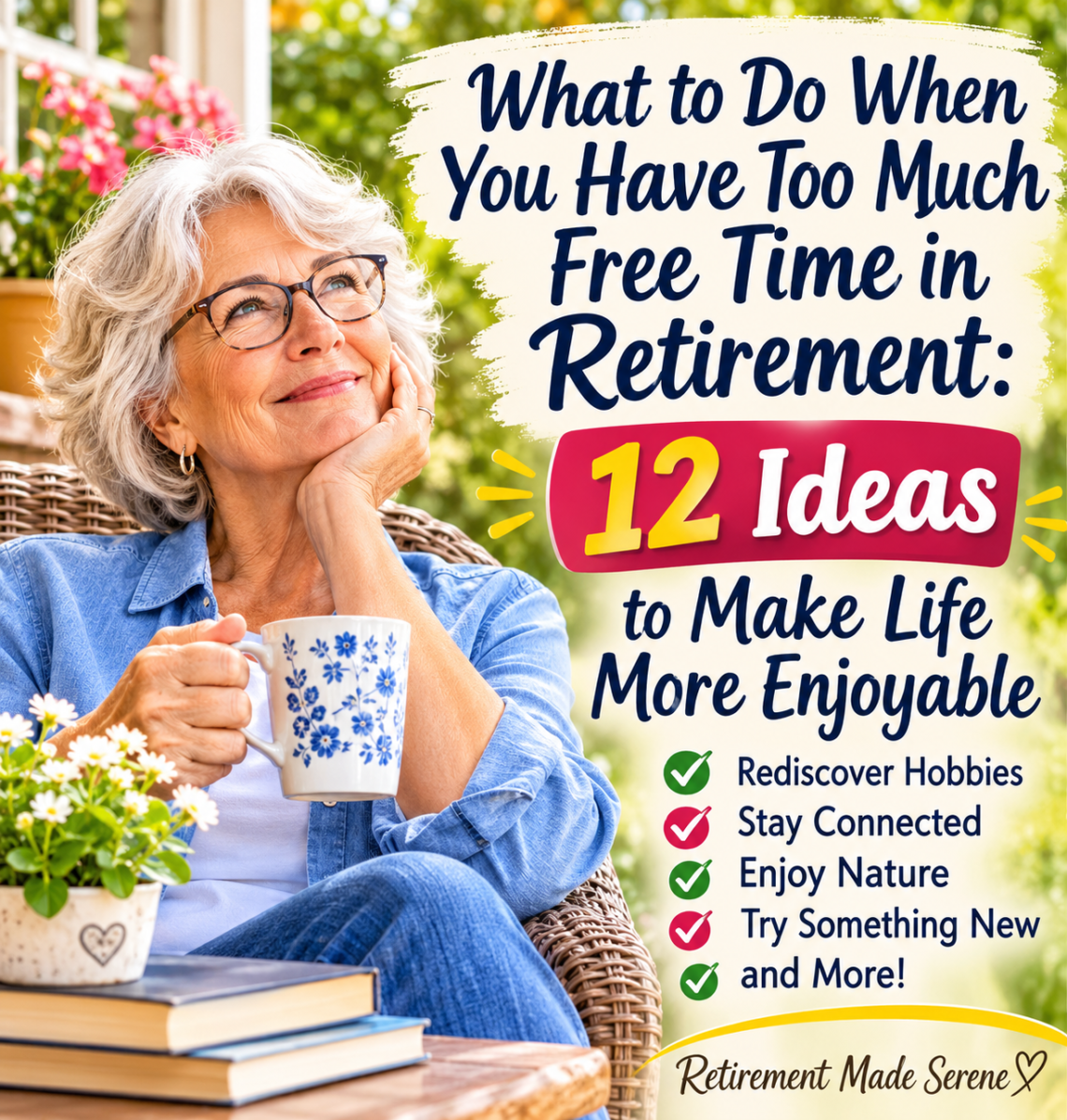
What to Do When You Have Too Much Free Time in Retirement: 12 Ideas to Make Life More Enjoyable
Retirement is supposed to be the time when you finally have the freedom to do what you want. No more rushing to work, watching the clock, or squeezing personal activities into a busy schedule.
But what happens when you suddenly have more free time than you know what to do with?
For some retirees, the adjustment can be surprising. Days that once felt too short may now seem long. You might find yourself wondering what to do next, looking for something interesting to fill your time, or missing the structure that working provided.
The good news is that retirement gives you an opportunity to explore new interests, reconnect with things you enjoy, and create a lifestyle that feels rewarding.
You don’t need an expensive hobby, a packed calendar, or a long list of activities to enjoy this chapter of life.
Here are 12 practical ways to make better use of your free time and bring more enjoyment into your retirement.
1. Rediscover Hobbies You Once Enjoyed
Think back to the activities you enjoyed before work, family responsibilities, and everyday obligations took up most of your time.
Perhaps you enjoyed gardening, painting, sewing, reading, cooking, or taking photographs.
Retirement gives you the opportunity to revisit those interests.
You don’t have to be an expert or turn a hobby into something productive. The purpose is simply to enjoy doing something you love.
Try this: Make a list of five activities you enjoyed in the past. Choose one and spend a little time exploring it again.
2. Try Something Completely New
Sometimes the best way to fill your free time is to discover an interest you never considered before.
Have you ever wanted to learn how to paint, make jewelry, grow vegetables, or play an instrument?
Now may be a wonderful time to experiment.
You can find free tutorials online, visit your local library, or look for community classes.
Don’t worry about being good at something immediately. Give yourself permission to be a beginner.
Try this: Choose one new activity each month and see whether it becomes something you enjoy.
3. Create a Morning Routine You Look Forward To
Without a work schedule, mornings can become unpredictable.
Some days you might wake up without a particular plan and spend much of the morning deciding what to do.
A simple morning routine can give your day a comfortable beginning.
You might enjoy:
- Opening the curtains and letting in natural light.
- Having a healthy breakfast.
- Reading a few pages of a book.
- Spending time in the garden.
- Doing gentle stretches or chair exercises.
- Writing down one thing you look forward to that day.
Your routine doesn’t have to be complicated. It should help you start the day feeling comfortable and prepared.
Try this: Create a simple morning routine with three activities you enjoy.
4. Spend More Time Cooking and Trying New Recipes
If you enjoy cooking, retirement can be a great opportunity to spend more time in the kitchen.
Instead of preparing the same meals every week, explore new recipes, experiment with seasonings, or try healthier versions of your favorite dishes.
You could also create a personal recipe collection with meals that your family enjoys.
Cooking can be a creative hobby, a way to care for yourself, and an enjoyable activity to share with others.
Try this: Pick one new recipe each week and add your favorites to a personal cookbook.
5. Make Time for Gardening and Nature
You don’t need a large backyard to enjoy gardening.
A few containers on a patio, a small herb garden, or some flowers near a sunny window can provide an enjoyable project.
Gardening also gives you a reason to spend time outdoors and appreciate the changing seasons.
Other ways to enjoy nature include:
- Watching birds.
- Visiting a local park.
- Taking a leisurely walk.
- Growing herbs for cooking.
- Photographing flowers and wildlife.
Try this: Start with one plant or a small container garden and see where your interest takes you.
6. Reconnect With Friends and Family
Retirement can change your social life. When you no longer see coworkers regularly, you may need to make a little more effort to stay connected.
Use some of your free time to reconnect with people you enjoy spending time with.
Call an old friend, arrange lunch with a family member, plan a game afternoon, or invite someone over for dinner.
You can also explore opportunities to meet new people through local clubs, community activities, and library events.
Try this: Reach out to one person you haven’t spoken with in a while.
7. Volunteer and Make a Difference
Sometimes a meaningful way to spend your free time is helping someone else.
Volunteering can provide opportunities to meet people, share your experience, and contribute to your community.
Consider helping at:
- A local food pantry.
- An animal shelter.
- A community garden.
- A library.
- A neighborhood organization.
- A charity or nonprofit.
You don’t have to commit to a large number of hours. Even occasional volunteering can be rewarding.
Try this: Find one local organization and ask about volunteer opportunities that fit your schedule.
8. Learn Something New Online
Learning doesn’t have to end when your working years are over.
There are many opportunities to explore new subjects from the comfort of your home.
You might learn photography, improve your computer skills, study history, explore art, or take a cooking class.
Public libraries, educational websites, and online video tutorials can be useful starting points.
Learning something new can also give you a personal goal to work toward.
Try this: Choose a subject that interests you and spend 20 minutes exploring it.
9. Organize and Refresh Your Home
Your home should be a place where you feel comfortable and relaxed.
If you have accumulated belongings over the years, retirement may be a good opportunity to simplify your surroundings.
Start with one small area instead of trying to organize the entire house.
You might:
- Organize a kitchen cabinet.
- Sort through old photographs.
- Clear out a closet.
- Rearrange a reading corner.
- Organize family keepsakes.
- Refresh a bedroom or living space.
Creating a more organized home can make everyday activities easier and give you a greater sense of accomplishment.
Try this: Choose one small area and spend 15 minutes making it more organized.
10. Start a Personal Project
A personal project can give you something enjoyable to look forward to.
It doesn’t have to be a business or a major undertaking.
Consider projects such as:
- Creating a family photo album.
- Writing down family stories.
- Making a personal cookbook.
- Starting a small flower garden.
- Decorating a room.
- Creating a scrapbook.
- Learning to make handmade gifts.
Choose something that interests you and work on it at your own pace.
Try this: Pick one project you would enjoy completing over the next 30 days.
11. Enjoy Activities That Don’t Cost Much Money
Having more free time doesn’t mean you need to spend more money.
There are many enjoyable ways to spend your days without adding unnecessary expenses.
Here are a few ideas:
- Borrow books from the library.
- Watch free educational videos.
- Take a walk in a nearby park.
- Work on puzzles.
- Visit community events.
- Enjoy a picnic.
- Start a journal.
- Listen to music.
- Explore free museum days.
- Have a family game afternoon.
The most enjoyable activities are not always the most expensive.
Try this: Make a list of 10 free or inexpensive activities you would enjoy doing throughout the month.
12. Give Yourself Permission to Relax
One important thing to remember about retirement is that you don’t have to fill every available hour.
After years of working and managing responsibilities, you deserve time to slow down.
Enjoy reading a book, listening to music, sitting outside, watching a favorite movie, or simply enjoying a quiet afternoon.
You don’t have to be busy every day to have a meaningful retirement.
Sometimes the best part of having free time is finally being able to enjoy it without feeling rushed.
Try this: Set aside a little time each day to do something relaxing without worrying about what you should be accomplishing.
How to Find Activities You’ll Actually Enjoy
If you’re still unsure what to do with your free time, start by asking yourself a few simple questions:
- What activities have I always wanted to try?
- What did I enjoy doing when I was younger?
- Would I rather spend time at home or get out of the house?
- Do I enjoy creative activities, physical activities, or social activities?
- What could I do that would make my days feel more interesting?
Write down your answers and choose one small activity to try.
You don’t need to figure everything out at once. Your interests may change, and that’s perfectly fine.
Final Thoughts: Make Retirement Your Own
Having too much free time in retirement isn’t necessarily a bad thing. It may simply mean you’re entering a new stage of life where you have more freedom to decide how you want to spend your days.
Explore an old hobby, try something new, reconnect with friends, enjoy cooking, spend time outdoors, or create a comfortable home.
Most importantly, remember that your retirement doesn’t have to look like anyone else’s.
Some people enjoy a busy calendar, while others prefer quiet mornings and simple pleasures.
Find what makes your days enjoyable, take things one step at a time, and give yourself permission to enjoy this chapter of life.
Retirement is not about filling every hour. It’s about making the hours you have meaningful.
Disclaimer
This article is for informational and educational purposes only. Activities should be chosen according to your personal interests, abilities, and circumstances. Consult a qualified healthcare professional before beginning a new exercise or physically demanding activity if you have health concerns.


You May Also Like

📝Elegant Evening and Wedding Shoes for Women | Fall 2025 Bridal Guide

🌟 Maybelline Makeup in 2025: Best Products, Trending Shades & Affordable Beauty Tips
